Building a Bioactive Vivarium: A Step-by-Step Guide
Bioactive setups create a self-cleaning, naturalistic habitat using live plants and a cleanup crew. Here's how to build one from scratch — and why it's worth the effort.
What Is a Bioactive Vivarium?
A bioactive vivarium is a living ecosystem inside your enclosure. Instead of replacing substrate regularly and manually cleaning all waste, you introduce microfauna — tiny invertebrates like isopods and springtails — that break down waste, turn over the soil, and prevent mold. Add live plants, proper drainage, and the right soil mix, and you have a setup that partially maintains itself while looking incredible.
It's not zero maintenance. You still spot-clean large waste, monitor parameters, and maintain plants. But the deep cleans and full substrate replacements that traditional setups require? Those become rare or unnecessary.
Who Benefits Most
Bioactive setups work best for tropical and temperate species that thrive in moderate to high humidity:
- Crested Geckos
- Ball Pythons
- Day Geckos
- Dart Frogs
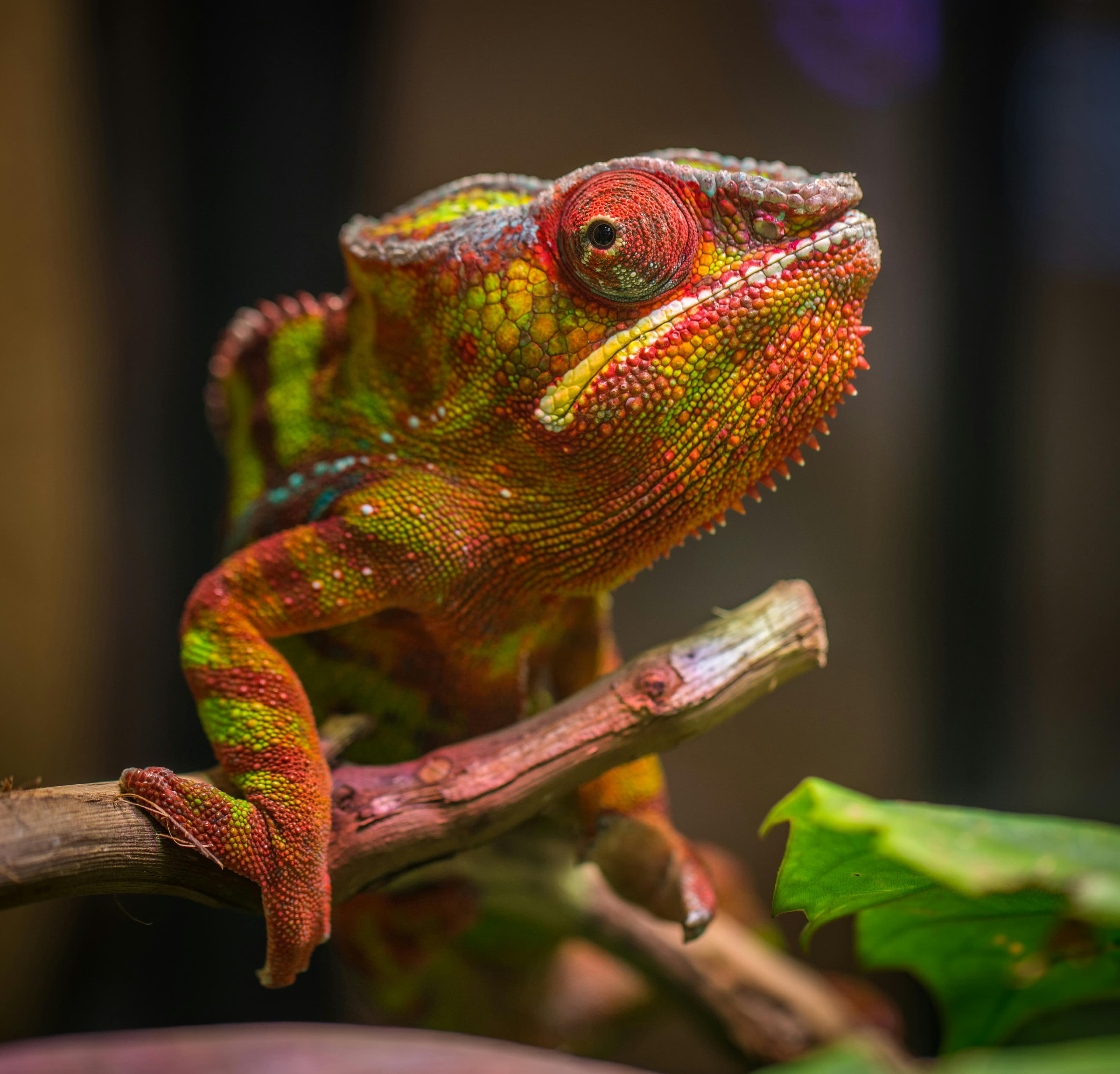
- Chameleons
- Blue Tongue Skinks
Arid species (Leopard Geckos, Bearded Dragons, Uromastyx) can go bioactive too, but the plant and microfauna options are more limited and the setup is less forgiving.
The Layers
Every bioactive vivarium follows the same basic structure from bottom to top:
1. Drainage Layer (2-3 inches)
The bottom layer prevents waterlogging. Use lightweight expanded clay aggregate (LECA) balls or a similar inert material. This creates a reservoir where excess water collects below the soil, keeping the root zone moist but not saturated.
A mesh barrier (fiberglass window screen works perfectly) goes on top of the drainage layer to prevent soil from settling down into it.
2. Substrate Mix (3-5 inches)
The substrate is where the magic happens. A proven mix for tropical setups:
- 40% organic topsoil (no added fertilizers or pesticides)
- 30% Zoo Med Eco Earth coconut fiber
- 20% orchid bark
- 10% sphagnum moss
Mix thoroughly, moisten until it clumps when squeezed but doesn't drip. This blend retains moisture, supports plant roots, and provides the loose structure that isopods need to burrow and thrive.
For arid bioactive setups, replace coconut fiber with play sand and skip the sphagnum moss. Use a 60/30/10 ratio of topsoil, sand, and clay.
3. Leaf Litter (1-2 inches)
A layer of dried leaves on top serves multiple purposes: it provides cover for your cleanup crew, retains surface moisture, feeds the microfauna as it decomposes, and looks natural. Oak, magnolia, and Indian almond leaves are all safe options. Replace as they break down.
4. Live Plants
Plants absorb waste products from the soil, help regulate humidity, and provide climbing opportunities and visual barriers for your reptile. Choose species that match your enclosure's light and humidity levels:
Tropical (low-medium light): Pothos, philodendron, ferns, bromeliads, ficus Tropical (bright light): Dracaena, croton, umbrella plant Arid: Aloe, haworthia, echeveria, sansevieria
Plant directly into the substrate. Most tropical terrarium plants are available at garden centers or online. Start with hardy species like pothos — they're almost indestructible and grow fast.
5. The Cleanup Crew
This is what makes it bioactive. Introduce:
Isopods: The heavy lifters. Tropical species like Powder Orange or Dwarf White isopods eat decaying plant matter, shed skin, and feces. They reproduce in the enclosure and maintain their own population. Start with a culture of 20-30.
Springtails: Tiny arthropods that eat mold, fungus, and decomposing organic matter. They're essential for mold prevention in humid setups. Add a culture of several hundred — they're microscopic and reproduce rapidly.
Both are available from online invertebrate sellers. Introduce them 2-4 weeks before adding your reptile so they can establish in the substrate.
Maintenance
- Daily: Spot-clean large feces and uneaten food. Mist as needed.
- Weekly: Check plants for damage. Remove dead leaves. Top off water in the drainage layer if needed.
- Monthly: Add fresh leaf litter as it decomposes. Supplement the cleanup crew if population seems low.
- Rarely: Full substrate replacement is typically unnecessary for 1-2+ years if the system is balanced.
Common Mistakes
- Skipping the drainage layer — without it, soil becomes waterlogged and roots rot
- Using soil with fertilizers — chemical fertilizers kill your cleanup crew
- Not enough cleanup crew — start with more than you think you need; the population self-regulates
- Overwatering — moist is good, muddy is bad
- Adding reptile too soon — give the ecosystem 2-4 weeks to establish before introducing your animal
Is It Worth It?
The upfront cost and effort of a bioactive setup is higher than a basic paper-towel-and-hide setup. But the reduced long-term maintenance, the natural behavior it encourages in your reptile, and the fact that it looks genuinely beautiful make it worth it for most keepers. Once established, a well-built bioactive vivarium is the closest thing to a self-sustaining habitat you can create in captivity.